

Cyber Risk Assessment
Identify material cyber risks, understand their business impact and prioritise practical treatment across people, process, technology and suppliers.
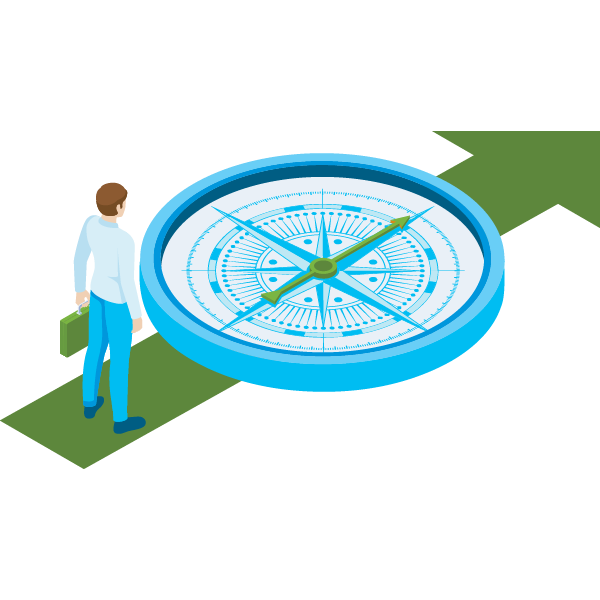
Business-led risk scope
Threat and control review
Risk prioritisation
Treatment roadmap
A Useful Risk Assessment Connects Technical Weaknesses to Business Impact
A list of vulnerabilities does not explain which cyber events could interrupt operations, expose important information or harm customers. ITFR assesses credible scenarios, assets, controls and dependencies to give leadership a prioritised view of risk and treatment options.
✓Business and information context
Identify critical services, information, obligations and dependencies that shape impact.
✓Threat scenarios
Define credible events such as ransomware, account compromise, data loss and supplier failure.
✓Asset and control review
Review relevant users, systems, providers and current preventative, detective and recovery controls.
✓Likelihood and impact analysis
Assess exposure using agreed criteria and available evidence rather than tool severity alone.
✓Risk ownership and treatment
Assign accountable owners and consider reduce, avoid, transfer or accept decisions.
✓Prioritised roadmap
Sequence practical improvements according to risk reduction, dependencies and business capacity.
The result: a business-focused cyber risk register and treatment roadmap that leadership can understand, own and act upon.
Benefits at a glance
Clearer Risk Priorities
Better Investment Decisions
Accountable Ownership
Stronger Assurance
GOVERN IT · CYBER RISK ASSESSMENT
Choose the Right Cyber Risk Assessment
Choose a focused assessment to establish current material risks or an assessment and roadmap engagement with deeper treatment planning and executive alignment.
Cyber Risk Assessment
Evidence-Led Reviewfor the agreed business scope
Identify and prioritise material cyber risks
For organisations that need a clear current view of cyber exposure across business services, information, systems and suppliers.
- Included: Scope & Critical Service ReviewConfirm entities, business services, information and assessment boundaries.
- Included: Threat Scenario DevelopmentDefine credible cyber events and attack pathways relevant to the organisation.
- Included: Control & Evidence ReviewAssess relevant governance, identity, endpoint, cloud, data, detection and recovery controls.
- Included: Likelihood & Impact AnalysisRate risks using agreed business criteria and available evidence.
- Included: Risk Register DevelopmentDocument causes, events, impacts, controls, ownership and current risk.
- Included: Executive Findings BriefingExplain priority risks, uncertainty and decisions required from leadership.
BEST FOR
Businesses that need a concise, defensible baseline of material cyber risks and current control effectiveness.
Cyber Risk Assessment & Roadmap
Assessment Plus Planningfor the agreed business scope
Risk treatment and executive alignment
For organisations that want detailed treatment options, sequencing, ownership and investment priorities after assessment.
- Included: Everything in the Cyber Risk AssessmentScope, scenarios, controls, analysis, risk register and executive findings.
- Included: Treatment Option AnalysisCompare practical controls, dependencies, cost drivers and expected risk reduction.
- Included: Residual Risk & AcceptanceDocument remaining exposure and decisions requiring accountable acceptance.
- Included: Prioritised Security RoadmapSequence near-term, medium-term and longer-term improvement activities.
- Included: Ownership & Governance ModelAssign owners, review dates, reporting and escalation requirements.
- Included: Framework & Insurance MappingRelate treatment and evidence to relevant assurance requirements where useful.
- Included: Roadmap Review & UpdateReview progress and adjust priorities as risk and the environment change.
BEST FOR
Businesses that need an actionable security improvement program and stronger leadership alignment, not only a risk report.
Use the arrows or swipe sideways to view every plan.
Assess Risk at the Level Decisions Are Made
Technical findings can inform risk, but business services, data, people and suppliers determine real impact.
ITFR connects evidence from the environment with credible scenarios and accountable business decisions.
You avoid treating every technical finding as equal while ensuring material risks reach the right owner.
COMMON QUESTIONS
Your cyber risk assessment questions, answered
How is a risk assessment different from a vulnerability review?
A risk assessment considers business impact, threats, existing controls, dependencies and ownership. A vulnerability review examines technical exposures and can provide evidence for the wider assessment.
Can the assessment focus on part of the business?
Yes. Scope can be defined around important services, systems or a specific decision. The boundaries and any excluded areas should be clear in the findings.
What will we receive?
The agreed deliverables can include an assessment of threats and controls, a risk register with owners, and prioritised treatment actions or a roadmap. The proposal confirms the level of detail.
Do we have to implement every recommendation at once?
Recommendations can be prioritised around business impact, effort and dependencies. Risk owners decide treatment priorities and any accepted residual risk.
Can ITFR help after the assessment?
ITFR can scope technical improvements, framework support or recurring advisory oversight. Assessment findings provide a basis for agreeing the next work rather than assuming it is included.
READY TO GET STARTED?
Understand your cyber priorities before investing
Talk to us about the services your business relies on and the decisions you need to make.